




Moving to Washington, DC takes more planning than most moves of the same distance. The city has rowhouses on narrow streets, apartment towers with strict move rules and parking that is hard to find on a normal day. Get a few steps done early and moving day goes much smoother.
This guide walks through what to do before, during and after your move to DC. If you would rather hand the planning to someone else, our Washington, DC movers handle moves into every part of the city.
Choose Where You Will Live in DC
Your new address shapes your whole move. DC housing falls into a few broad types, and each one moves differently.
Rowhouses and Townhomes
Neighborhoods like Capitol Hill, Georgetown and Columbia Heights are known for rowhouses. Many have front steps, narrow interior stairs and no driveway, so the truck parks on the street. Measure large furniture and check it against stair widths and doorways before you move it.
Apartment and Condo Buildings
Areas such as NoMa, Navy Yard and the Wharf are full of newer residential towers. These buildings usually require a reserved elevator and a set move window. Many also ask your moving company for a certificate of insurance before they will let the movers in.
Reserve Parking for the Moving Truck
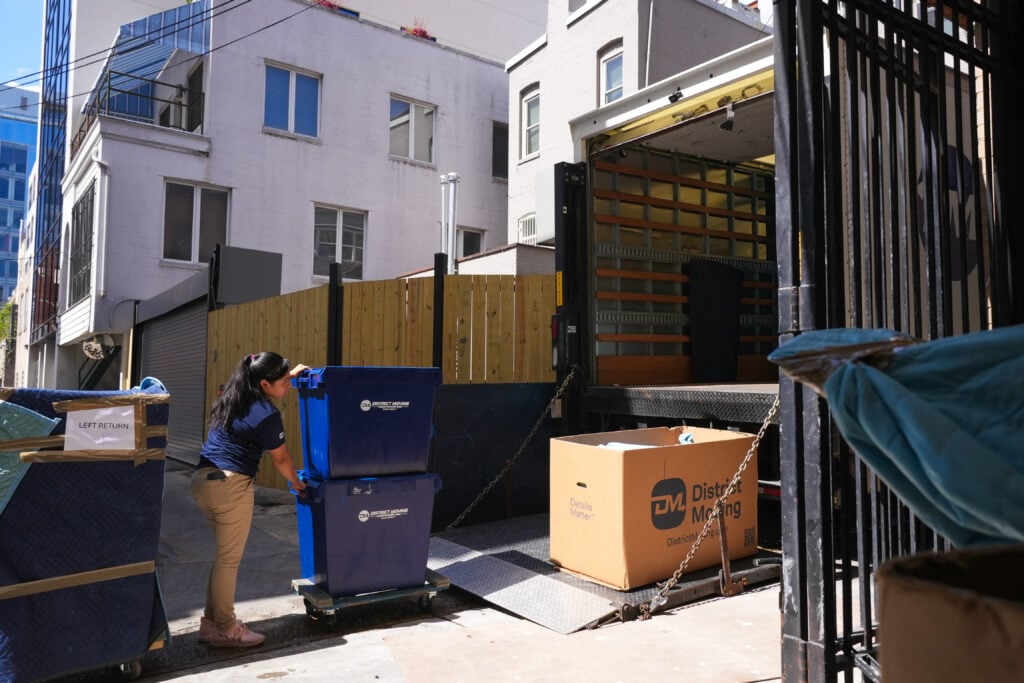
Street parking is the most common problem on a DC moving day. The District Department of Transportation lets you reserve curb space with an Emergency No Parking permit through its online permit system, called TOPS.
- Signs must go up at least 72 hours ahead on streets without parking meters.
- On metered blocks, signs must go up at least 24 hours ahead.
- Each permit covers no more than 2 days, but you can apply weeks ahead.
Apply early and post the signs on time. DDOT notes that the signs must be in place before the truck arrives to be enforceable. Check the current rules on the TOPS website before you apply, since details can change.
Get Your Building’s Move Rules in Writing
If you are moving into or out of an apartment or condo, call the management office as soon as you have a date. Ask these questions:
- Do I need to reserve the freight elevator, and for what hours?
- Are moves allowed on weekends?
- Does the building need a certificate of insurance from the movers?
- Where does the truck load, and is there a loading dock?
Send the answers to your movers. Missing any one of these can delay the move or force a second trip.
Time Your Move Around DC Traffic and Seasons
Weekday rush hours slow every major road into the city, including I-395, I-295, New York Avenue and the bridges from Virginia. A move that starts after the morning peak often finishes sooner, even with the later start.
Summer is the busiest moving season in the DMV. Leases turn over, school is out and many government and military families move then. If you can move in spring or fall, or in the middle of a month, you will have more dates to choose from.

Pack with City Living in Mind
DC homes are often smaller than homes in the suburbs, and many apartments have limited closet space. Moving is a good time to cut down. Sell, donate or recycle what will not fit before the movers arrive, so you are not paying to move it.
Label every box with the room it belongs in at the new place. If you are short on time, our packing services cover a full home or only the rooms that take the longest.
What to Do After You Arrive
Update Your Driver’s License and Vehicle
New DC residents need to get a DC driver’s license within 60 days of moving. You must transfer your license before you can register your car in DC, and you complete both steps in person at a DC DMV service center. Check the DC DMV website for the current vehicle registration deadline and the documents you need.
Look Into a Residential Parking Permit
Many DC blocks limit how long cars without a zone sticker can park. Once your car is registered in DC, you can apply for a Residential Parking Permit for your zone through the DC DMV.
Set Up Utilities and Mail
Start electric, gas and internet service a week or two before you arrive so you have power and Wi-Fi on day one. File a change of address with the Postal Service so your mail follows you.
Moving to DC from Another State
A move from another state adds a long drive or a long-haul truck to everything above. Our long distance moving services cover the inventory, packing and loading plan for the trip. If you are moving to the Virginia side instead, see our pages for Arlington and Alexandria.